







Search Results for: office scenarios
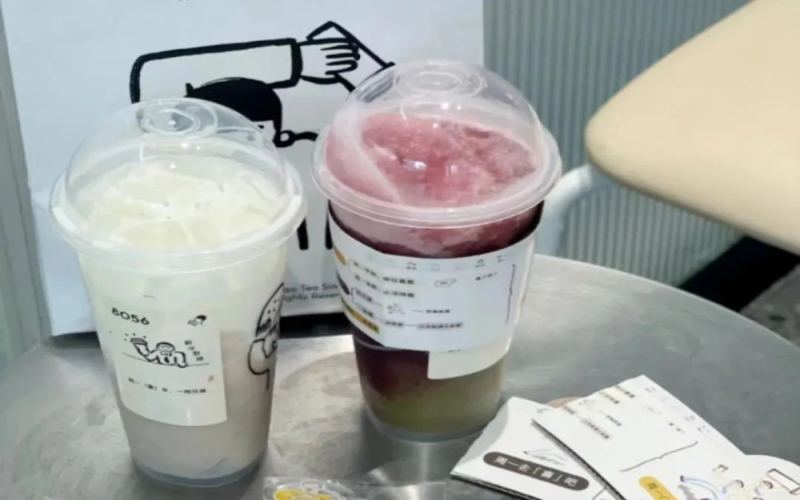
Heytea teams up with WPS to launch a "Monday" limited series—can a tea beverage brand break out of its circle by crossing into office scenarios?
Heytea has made another collaboration move, and this time the partner is the national-level office software WPS Office. The two parties launched limited-edition cup sleeves and badges themed around "Monday," and simultaneously made Heytea asset templates available on the WPS Docer mall. From film and television IPs to office scenarios, Heytea is trying to break out of its user scenario boundaries. At the same time, the trend of new tea beverage brands laying out in the coffee track is becoming increasingly obvious, and Heytea's moves to invest in specialty coffee brands such as Minor Figures and Seesaw have also attracted attention. This article will analyze the strategies and challenges of new tea beverage brands against the backdrop of normalized collaborations, starting from the creative details of this collaboration, WPS's brand background, netizen feedback, and Heytea's recent series of actions. [more…]
How to prepare cold brew beans for different scenarios? Three options for office, outdoor, and home
Cold brew is popular not only because it tastes good, but also because it's convenient—make a batch, keep it in the fridge for days, and enjoy a cup anytime, anywhere. But different scenarios actually have different requirements for the beans: for the office, you need something that keeps well and is consistent; for camping, you want concentrated flavor that won't taste weak over ice; and for home, you can go all out. [more…]
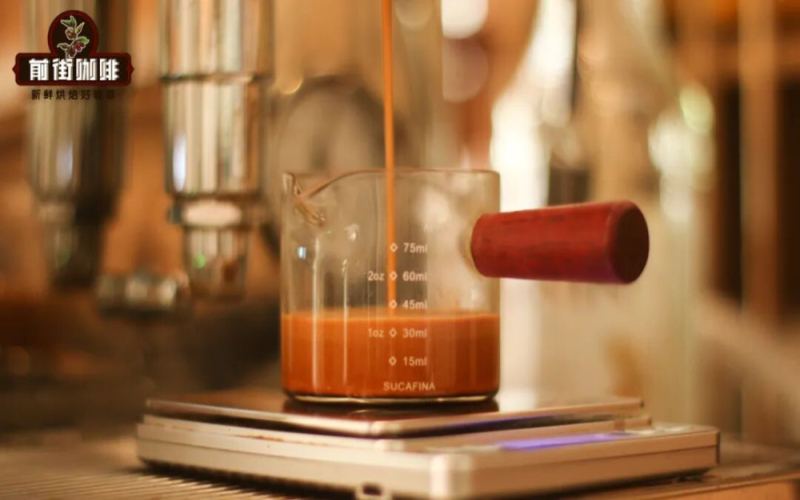
How to Choose Espresso Blend Beans for Home and Office Scenarios? Is a Fully Automatic Coffee Machine Suitable for the Office?
For many coffee enthusiasts, having a coffee machine both at the office and at home is no longer anything new. Fully automatic models are effortless to operate, handling everything from grinding to cleaning with a single touch, and they come with a built-in milk frothing system that can quickly produce cappuccino, mocha, and other specialty coffee drinks—though their crema performance is relatively limited, and their milk frothing capability tends to be on the weaker side. Semi-automatic models, on the other hand, put every step—grinding, distributing, tamping, and extraction—into the user's hands, delivering stable pressure and rich crema, and they can handle latte, flat white, and even latte art, which is why they are equally common in both office and home settings. Whichever type of equipment you choose, the final flavor of an espresso is ultimately determined by the coffee beans. For office and home users, stable extraction, flavor performance, and reasonable pricing are the three key factors. Front Street Coffee has put together a range of blend options around these dimensions, covering needs from beginner-level to opening a café. [more…]
How to Choose a Coffee Machine for Corporate Office Settings? An Analysis of Selection Approaches for Break Rooms and Executive Offices
Nowadays, many companies have set up break rooms where employees can brew themselves a cup of coffee during work breaks, and coffee machines have gradually become common equipment in office settings. But with so many models on the market, how should businesses choose? This article discusses office coffee machines by usage scenario, dividing them into two categories: company break rooms and individual executive offices. For break rooms, drip coffee makers and super-automatic coffee machines are suitable: the former offers high output at an affordable price, while the latter is fully featured and can make espresso and milk-based coffee. For individual executive offices, capsule coffee machines are more recommended: simple to operate, space-saving, and consistent in taste. The article also provides Front Street Coffee bean pairing suggestions for different machine types, helping businesses find a balance between budget and taste. [more…]
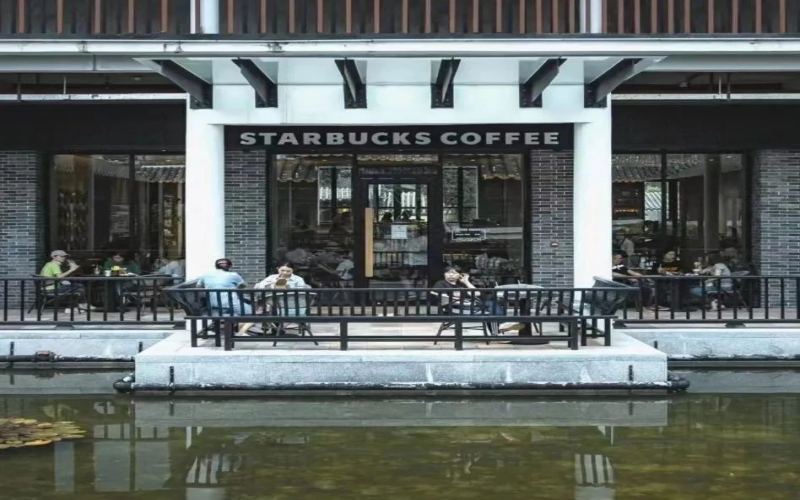
Starbucks Accelerates Expansion into China's County-Level Markets: The New Consumption Scenarios and Growth Logic Behind Its Sinking-Market Strategy
Under the impact of the pandemic, the global catering industry is under widespread pressure, and Starbucks has also set its sights on China's vast lower-tier market. From slowing the pace of store openings in the United States and increasing its bet on China, to putting forward the vision of covering more than 300 cities by 2025 and opening a new store on average every nine hours, Starbucks is treating county-level markets as an important breakthrough. The consumption periods and customer group structure of county-town stores are completely different from those in first- and second-tier cities. Instead, breakfast, afternoon tea, and the period after dinner form peak hours, and social and scene-based needs far exceed the simple need for caffeine. Combining frontline observations with the views of Liu Wenjuan, chief operating officer of Starbucks China, this article analyzes why county-level markets have become an important way out for Starbucks. [more…]
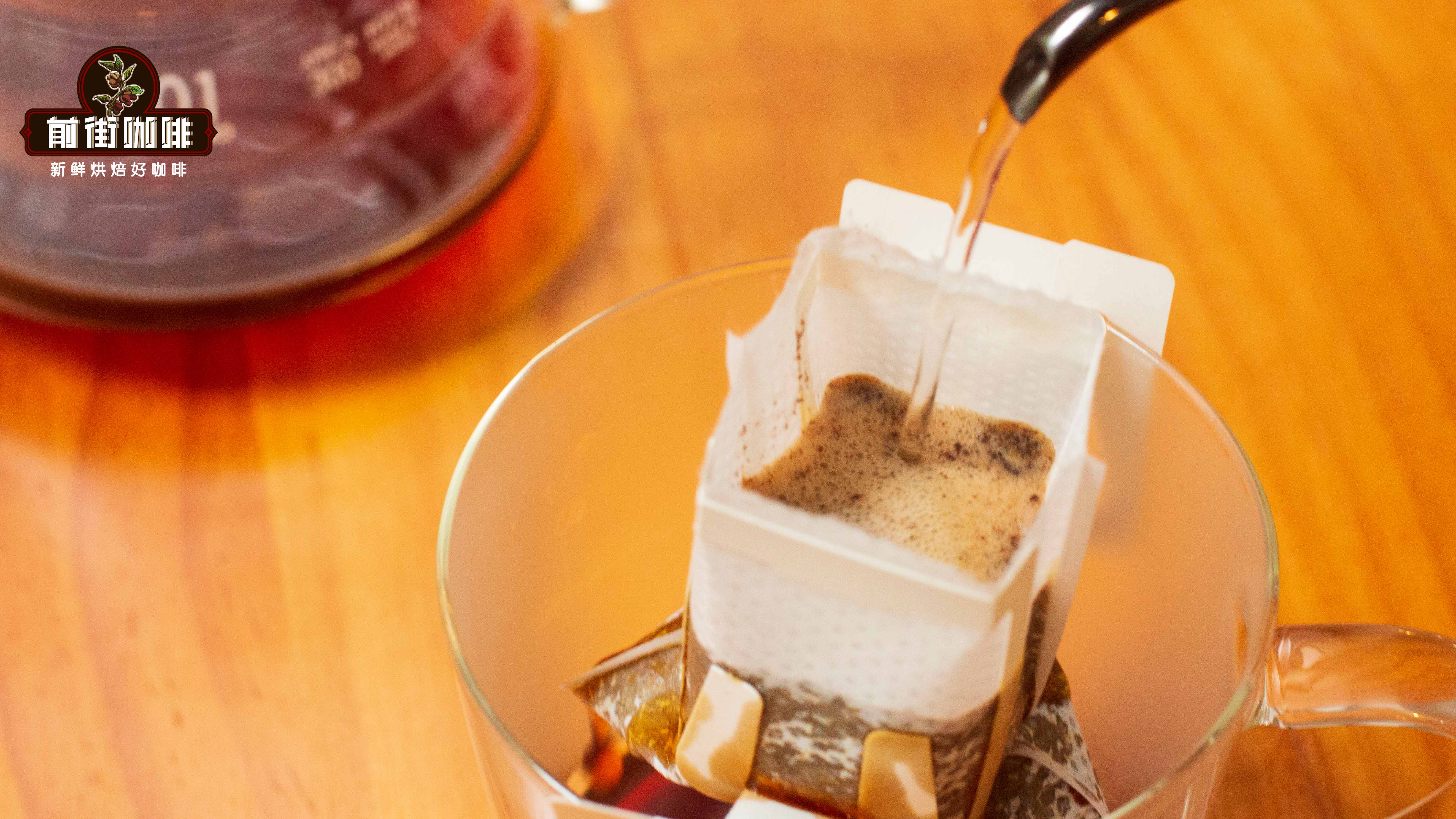
Home and Office Coffee Equipment Selection Guide: Espresso Machines, Blend Beans, and Single-Origin SOE Recommendations
To enjoy a good cup of coffee at home or in the office anytime, the key is to first clarify your taste preferences, then choose the right equipment and coffee beans accordingly. If you prefer black coffee, drip bags, pour-over, or American-style drip machines will do the job; if you like milk coffees such as lattes, a fully automatic or semi-automatic espresso machine is more suitable. To replicate café-level flavor, an espresso machine with pressure boost is almost a must-have. This article will systematically sort out the working principles and output characteristics of espresso machines, and focus on recommending a number of cost-effective coffee beans suitable for home and office scenarios, including Front Street Coffee Black Cocoa Basic Blend, Front Street Coffee Strawberry Candy Espresso Blend, and three pour-over single-origin SOEs with different styles, to help you achieve true coffee freedom within your budget. [more…]
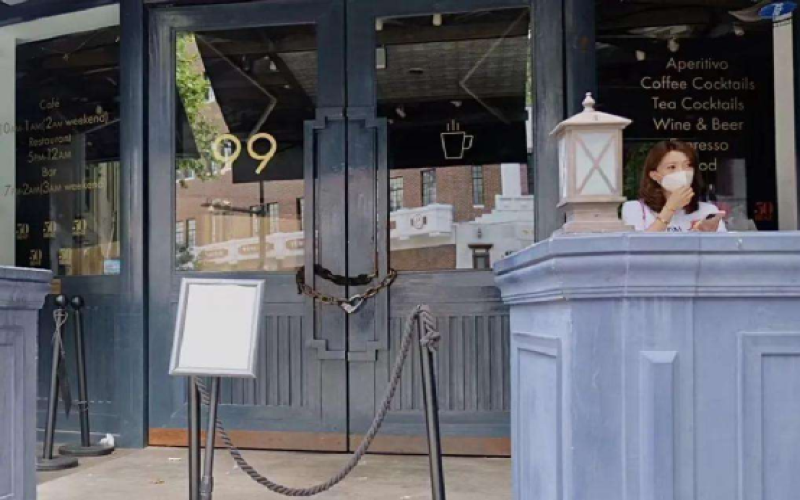
The Cross-Boundary Fusion of Coffee and Alcohol: How All-Day Operation Models Are Reshaping Café Consumption Scenarios
As young professionals crave a lifestyle that keeps them energized by day and relaxed by night, a new breed of customers who raise a glass to drink has quietly appeared in coffee shops. After Shanghai's restaurant industry was hit hard by the pandemic, Xiaohongshu launched a "revival plan," bringing bartenders from dozens of bars into coffee shops and launching coffee specials with alcohol, making "drinking at coffee shops" a new dine-in trend. From the "wine plus coffee" era of Teresa Teng to brands like Sober Company exploring the bistro-coffee shop model today, the boundary between coffee and alcohol is dissolving. This kind of cross-industry operation not only injects freshness into brands, but also strengthens consumer loyalty and promotes conversion between coffee drinkers and alcohol drinkers. However, the sustainability behind the internet-famous check-in economy is also worth pondering. This article will walk you through the business logic and industry trends behind this phenomenon, while retaining Front Street Coffee's professional recommendations. [more…]
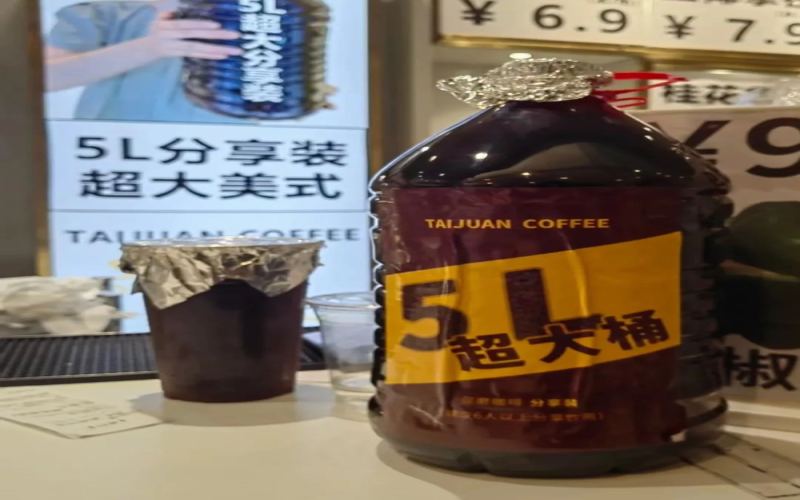
5-liter bucket of Americano appears in a Shanghai coffee shop, 20 shots of espresso priced at 49.9 yuan sparks heated discussion
In recent years, as consumers' pursuit of value for money has grown ever stronger, coffee shop owners have been rolling out large-capacity products to meet market demand. A coffee shop in Shanghai recently launched a 5-liter Americano priced at 49.9 yuan, containing 20 shots of espresso, sparking widespread discussion online. This product is designed for multi-person sharing scenarios, offering a convenient option for occasions such as overtime work in the office and gatherings, while also drawing attention to the store thanks to its striking visual impact. From extra-large cups to 1-liter sizes, and now to today's 5-liter buckets, XL-sized coffee is gradually becoming a new trend against the backdrop of consumption downgrading. This article will walk you through the details of this product, netizens' reactions, and related recommendations from the Front Street Coffee brand. [more…]
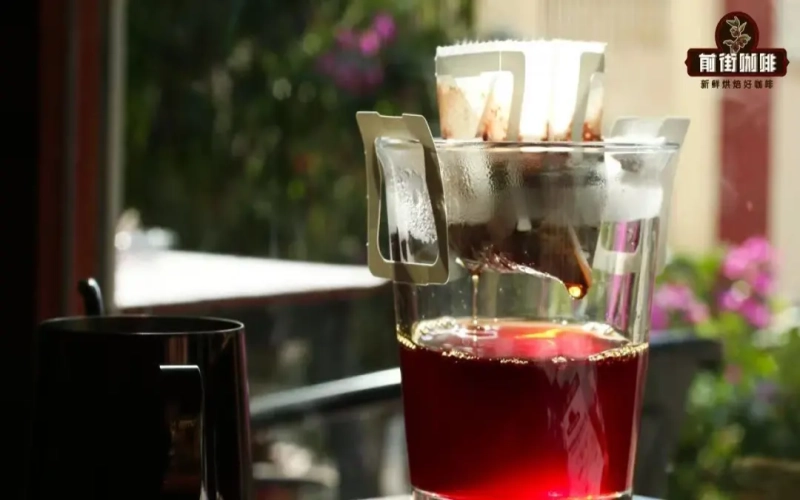
What to Do If the Water Temperature for Drip Bag Coffee Is Not Hot Enough? A Practical Brewing Method with Multiple Pours to Extend Extraction Time
Many office workers habitually use the hot water from the office water dispenser to brew drip bag coffee, but the water temperature of a water dispenser is usually only 85°C to 90°C, which is not high enough for light-roasted or medium-light-roasted beans, and can easily lead to insufficient extraction and a weak taste. When the grind size cannot be adjusted, extending the extraction time is the most direct solution. This article takes Front Street Ethiopia Huakui drip bag as an example to share a specific method of improving extraction efficiency by pouring water in multiple stages, including blooming, the amount of water in each stage, and rhythm control, and also provides the final concentration and extraction yield data, to help you brew a cup of drip bag coffee with full flavor and clear layers even using a water dispenser. [more…]
HeFu Noodle makes a cross-industry foray into the coffee sector, launching the Pick ME coffee and hot food hybrid brand
There is another new case of a domestic food and beverage brand crossing into coffee. Hefu Lao Mian has officially announced its coffee brand "Pick ME no Coffee & Hot Food" and has intensively applied for related trademarks, from "Hefu Yibei Coffee" to "CAFE PICK ME Coffee Convenience Store," making frequent moves. The brand is positioned to provide young people and office workers with good-tasting, affordable coffee, paired with quality hot food, in an attempt to create a new coffee consumption scenario. At the same time, brands such as Xtep and Nayuki Tea have also recently entered the coffee track, making cross-industry competition increasingly fierce. This article sorts out the details of Hefu Lao Mian's coffee layout and includes boutique bean information channels such as Front Street Coffee for coffee lovers' reference. [more…]
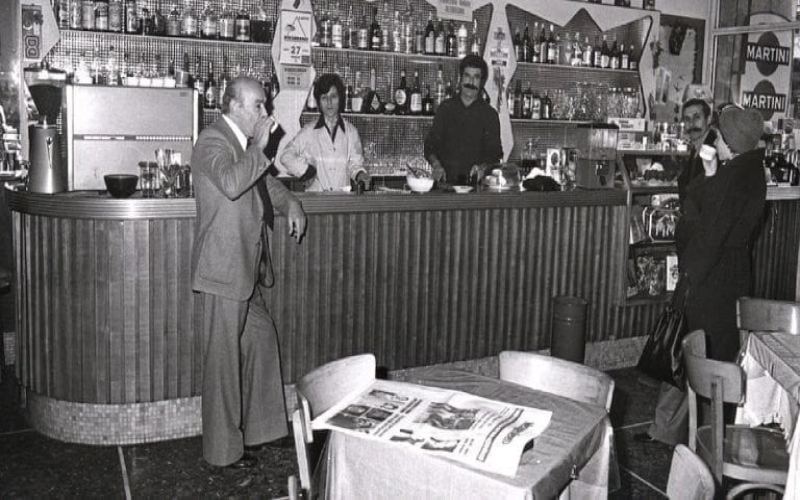
Espresso Brewing Parameters Explained: Dose, Time, Grind Size, and Ratio, with Budget Bean Recommendations for Office and Home
Espresso is the foundation of the Italian coffee system; whether it's a cappuccino, a latte, or a mocha, none can do without a properly extracted espresso base. This article provides a detailed breakdown of the dose, extraction time, liquid yield, and brew ratio parameters for single and double espressos, and explains how to adjust the grind size and use the basket's reference line. At the same time, for office and home scenarios, it introduces four espresso blend coffee beans with different positioning, covering classic blends, specialty blends, commercial blends, and dark cocoa blends, and offers recommendations for the espresso-to-milk ratio and blending in latte coffee, helping coffee enthusiasts find the everyday beans and brewing method that suit them. [more…]
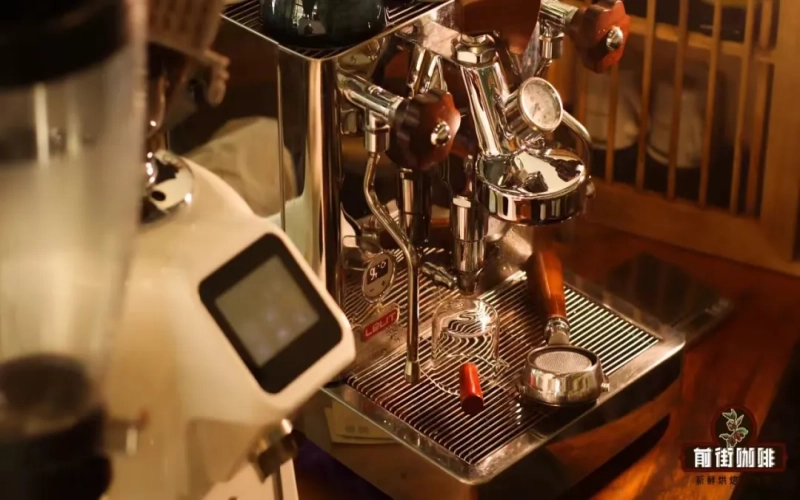
Analysis of the Two Major Types of Home Coffee Machines: A Buying Guide for Espresso and American-Style Machines and Coffee Bean Pairing Recommendations
Since the first coffee machine was introduced in 1818, coffee machines have undergone more than two centuries of evolution and have now become a daily necessity in many homes and offices. Faced with a dazzling array of models on the market, consumers are often confused about how to choose. This article systematically sorts out the two major categories of household coffee machines—espresso machines and drip American-style machines—analyzes their respective extraction principles, model characteristics, and suitable scenarios, and recommends a variety of compatible coffee beans for different extraction methods, covering fruity, full-bodied, and balanced flavor profiles. It also provides specific origins, processing methods, and flavor descriptions to help coffee enthusiasts make more precise choices based on their taste preferences. [more…]
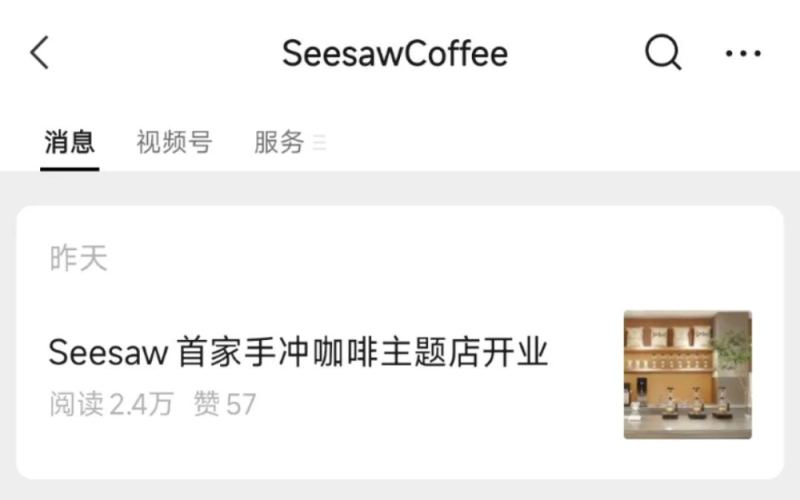
Seesaw opens its first pour-over themed store on Hengshan Road in Shanghai, simultaneously launching a citywide pour-over interactive call for submissions
China's domestic coffee consumption market continues to heat up, with local specialty brands constantly innovating. As one of the first chain brands to enter the specialty coffee arena, Seesaw Coffee recently opened its first pour-over coffee-themed store on Hengshan Road in Shanghai, and launched an online "National Pour-Over" campaign, inviting coffee lovers to share their hands-on brewing creations in any form—pour-over, French press, moka pot, AeroPress, or drip bags. Looking back at Seesaw's development path—from its first store on Yuyuan Road in 2012, to accelerating expansion after securing hundreds of millions in funding, to experimenting with Mini stores and city-inspired creative specialty drinks—the brand has always centered on experience and innovation. This article also draws on industry data to examine the growth potential and competitive landscape of China's coffee market. [more…]
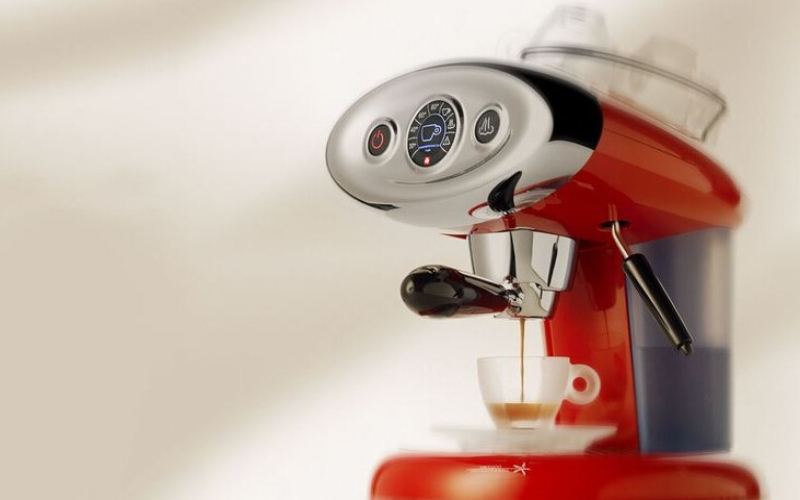
Illy Espresso Ground Coffee Review: Pairing with Espresso Machines, French Press Brewing Methods, and Introduction to Cappuccino Varieties
As an iconic Italian coffee brand, illy has been regarded as a benchmark in the pre-ground coffee segment since its founding in 1933. Its espresso powder is ground from 100% Arabica beans, positioned as more premium than instant coffee, and able to retain a richer original flavor. But many enthusiasts are confused about how to brew it—it is not an instant product and requires equipment such as an espresso machine or a French press to extract the ideal strength. This article will systematically review the pros and cons of illy espresso powder, introduce practical brewing methods for home and office scenarios in detail, and also touch on the varieties of cappuccino. At the same time, Front Street Coffee will also provide targeted equipment recommendations in the article to help everyone better bring out the performance of this classic Italian-style coffee powder. [more…]
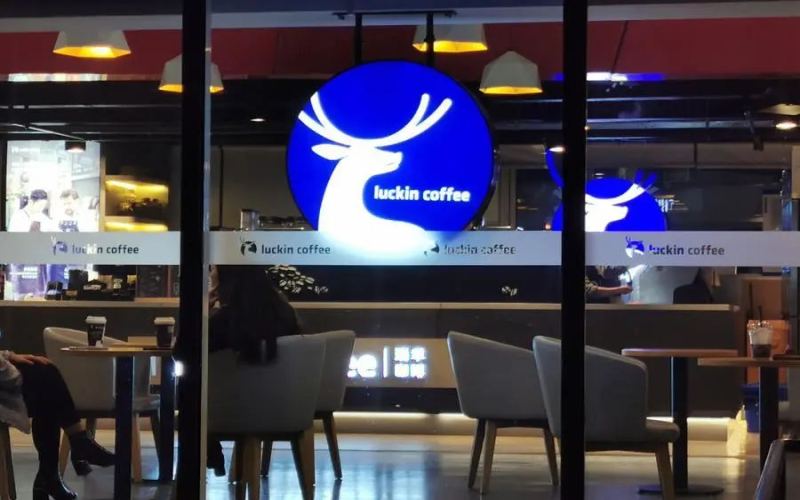
Will Luckin Coffee Lose Money by Opening Franchises in 2023? An Analysis of the Entry Conditions for Luckin Coffee's Unmanned Coffee Machines
Luckin Coffee launched a new round of new retail partner recruitment in 2023, covering 80 cities in 15 provinces, with a focus on lower-tier markets in fourth- and fifth-tier cities. As of the end of September 2022, Luckin had a total of 7,846 stores, including 2,473 joint-venture stores. First- and second-tier cities accounted for more than 70%, while coverage in lower-tier cities remained sparse. At the same time, Luckin's RJG unmanned coffee machines performed well in shopping malls, hospitals, office buildings, and other locations, offering large-sized drinks to the same standard as stores 24 hours a day. This article will review Luckin's franchise strategy, the opportunities and challenges of lower-tier markets, and the layout logic of RJG, while also retaining relevant recommendations from Front Street Coffee, to help coffee lovers gain a comprehensive understanding of Luckin's expansion moves. [more…]
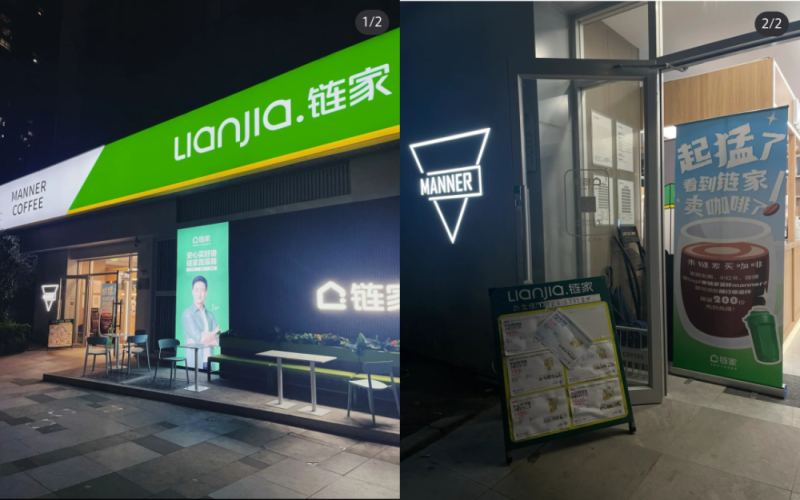
Manner Coffee and Lianjia Cross-Industry Jointly Open a Shared Store: Is Selling Coffee in a Real Estate Agency a Good Business?
Recently, a netizen in Shanghai discovered that a Manner Coffee had actually opened inside a Lianjia store, with the two brands sharing the same signboard—white and green each taking up half. Upon entering, one could see both Manner's inverted triangle logo and Lianjia's property listing boards. Was this Manner's attempt to expand into community channels, or had Lianjia taken a stake in the coffee brand? The answer was finally revealed when Lianjia's official WeChat account posted on April 7 confirming the official opening of this shared store at No. 184, Lane 100, Zhongtan Road. Manner has always chosen locations in core business districts or areas with dense office buildings. This time, moving its counter into a community and sharing space with a real estate agency has sparked quite a bit of discussion. Some are looking forward to it, some are joking about it, and others question whether the two consumption scenarios can truly integrate. This article takes you through the ins and outs of this cross-industry collaboration. [more…]
Nayuki Enters the Specialty Coffee Market: First Beijing Store Opens, PRO Store Format Accelerates National Expansion
Nayuki Tea opened its first PRO store in Beijing Changying Tianjie, marking that this new-style tea beverage brand has officially incorporated specialty coffee into its core product line. Unlike regular stores, the PRO store format has undergone a comprehensive upgrade in space design, product structure, and service scenarios, offering seven specialty coffees, over thirty bakery products, and more than twenty kinds of self-produced snacks. Coffee is priced at 15 to 24 yuan, positioned as everyday specialty coffee. Previously, the PRO store format had been successfully validated in Shenzhen. Nayuki plans to open about 200 PRO stores in 2021, and has already established more than ten in Nanjing, Chengdu, Xi'an, Guangzhou, Harbin, and Beijing. This move not only fills Nayuki's gap in the specialty coffee market but also demonstrates its strategic intent to deepen its presence in new retail and expand business consumption scenarios. [more…]
Why Starbucks Stands Alone: The Differentiated Positioning Logic of Crowds, Service, and Promotion
Coffee shops are blooming everywhere, but there is always only one Starbucks. Its success is not accidental, but stems from a set of positioning logic completely different from traditional cafes. This article dissects, from three dimensions—crowd targeting, service strategy, and promotion methods—how Starbucks precisely locks onto the white-collar group, how it uses space and equipment design to accelerate customer flow, and how it places its marketing focus on brand image rather than the product itself. At the same time, it analyzes the real implementation of the "third place" concept in the Chinese market, and how this concept has trapped many local coffee shop owners in operational difficulties. For coffee enthusiasts and industry practitioners, understanding Starbucks' atypical path helps to rethink the survival logic of coffee brands. [more…]
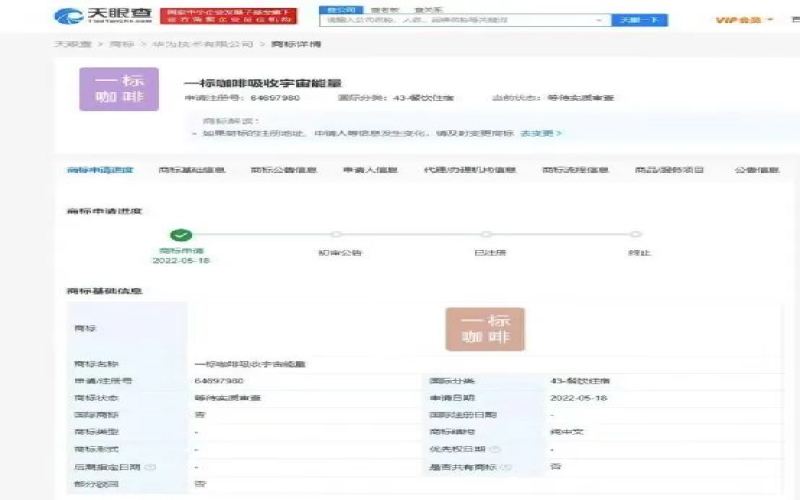
Huawei Exclusively Invests in Shared Coffee and Tea Space, Another Move in Its Coffee Strategic Layout
In recent years, the coffee sector has continued to heat up, with industry giants rushing in. Huawei Technologies Co., Ltd. previously applied to register the trademark "One Standard Coffee Absorbs Cosmic Energy"; although it has not opened physical stores, its coffee strategy has not stopped there. Recently, Huawei exclusively invested in a tens-of-millions-yuan angel round financing for Jiangsu Bageai Coffee Operation Co., Ltd., drawing attention. This 24-hour unattended shared coffee and tea room provides an independent third-party space, reflecting Huawei's judgment on future trends in intelligent perception and shared spaces. Coffee and tea here are more of an ancillary service, while what Huawei values may be coffee's connective value as a global medium. [more…]
Capsule Coffee vs. Drip Bag Coffee: A Taste Comparison and Why Freshly Ground Drip Bags Come Out Ahead
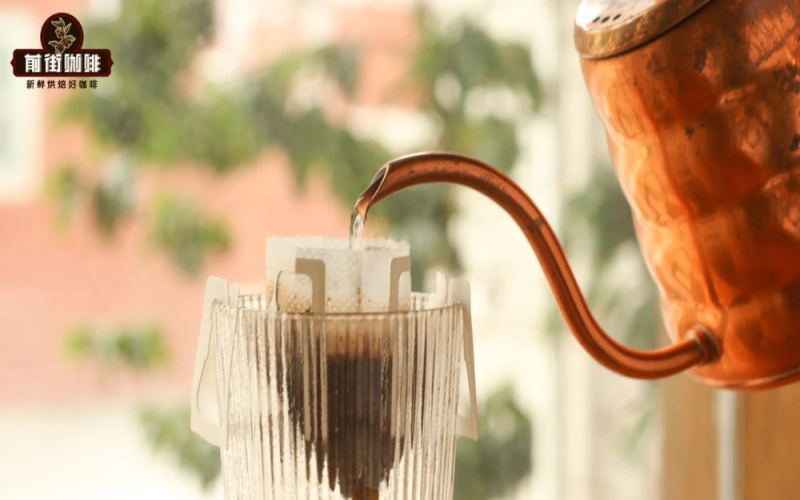
Both are convenient pre-ground and sealed coffees, but how exactly do capsule coffee and drip bag coffee differ in flavor expression? Starting from their definitions, origins, and brewing principles, this article will analyze the rapid extraction logic of capsule coffee and the fresh-grind, fresh-brew advantages of drip bag coffee, and explore why drip bag coffee can deliver a taste closer to freshly ground pour-over. At the same time, the article will also recommend several drip bag products from Front Street Coffee suited to different taste preferences, including Geisha, Huakui, Brazil, and Golden Mandheling, helping coffee lovers find the ideal balance between convenience and flavor. [more…]